
From Transaction to Transformation: Elevating Cardiovascular Care Through Strategic Partnership
Insights from the 2025 Cardiology Physician Transactions Conference
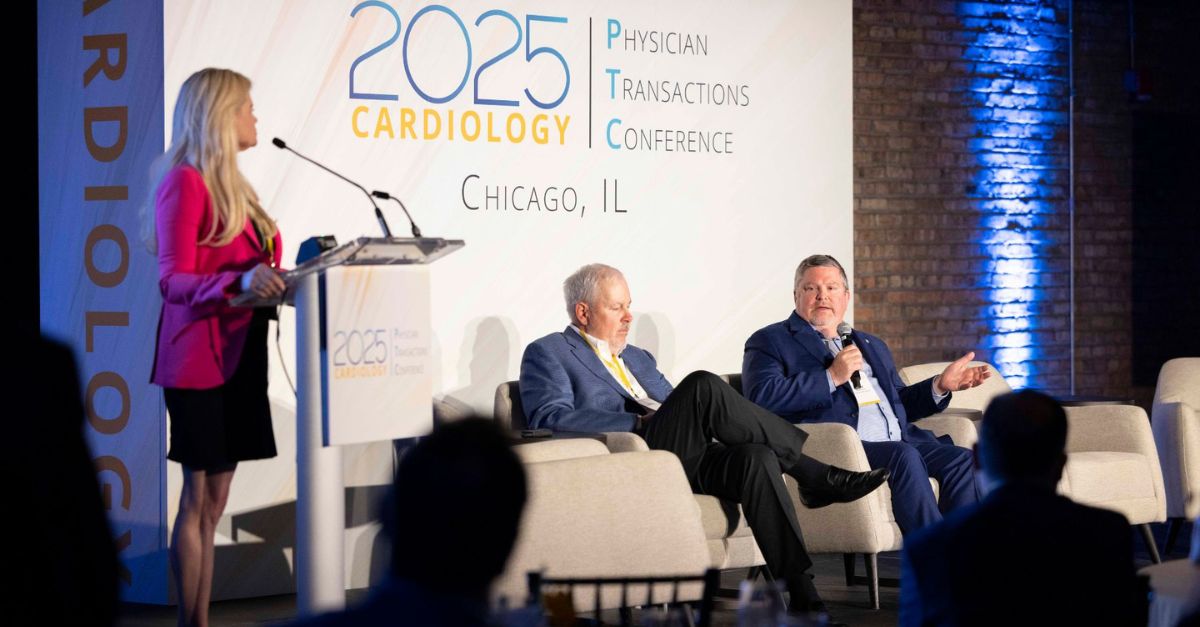
At the 2025 Cardiology Physician Transactions Conference (PTC), Cardiovascular Logistics (CVL) CEO David Konur and Cardiovascular Institute of the South (CIS) physician Dr. Kalyan Veerina shared real-world insights from both the executive and clinical frontlines of cardiovascular care. Their message was clear: for premier cardiology practices considering a strategic partnership, success doesn’t come from chasing a one-time transaction—it comes from partnering with the right platform to preserve autonomy, advance patient care, and unlock long-term value.
Through their stories and experiences, conference attendees gained a firsthand look into what sets CVL apart—and how the right platform can turn industry challenges into a strategic advantage.

Rethinking “Income Repair” as Practice Enhancement
In a session focused on income repair and “second bite” transactions, David Konur reframed a term often used in the private equity world. Instead of viewing “income repair” as something lost that must be recovered, Konur encouraged physicians to look at the bigger picture: enhancing their practices in meaningful, lasting ways that benefit patients, providers, and the broader healthcare system.
“At CVL, we don’t talk about income repair—we talk about practice enhancement opportunities,” Konur explained. “Everything we do is grounded in the belief that if we focus on improving patient access to high-quality, cost-effective care, everything else—financials included—follows.”
That philosophy is embedded in CVL’s physician-owned, physician-led model. Rather than leading with cost-cutting or bureaucracy, CVL empowers physicians to grow their practices through innovative service lines, technology adoption, and shared infrastructure. Konur cited examples like adding PET/CT capabilities, expanding ambulatory surgery centers (ASCs), and leveraging size to negotiate better contracts and participate in new revenue streams.
Practices that join the CVL platform don’t hand over control—they gain a strategic partner that invests in their growth and ensures they can continue delivering care at the highest level on their terms.
Building with Purpose, Not Just Scale
CVL brings together like-minded cardiology practices who are deeply committed to quality care and clinical leadership. The platform has turned down many of the practices it’s evaluated—not because they aren’t profitable, but because they didn’t share the mission and philosophy that define CVL.
That mission? To provide our patients with the highest quality cardiovascular care available—backed by a platform built for collaboration, innovation, and shared success.
“We make decisions based on whether the practice puts patients first,” Konur emphasized. “You either believe that high-quality care leads to long-term growth and success, or you don’t. At CVL, we do.”
This commitment has propelled CVL’s growth from 120 providers to nearly 500 in just over two years. But more importantly, it has enabled CVL to help its partners implement real, scalable solutions to the challenges facing cardiology today—from capital needs and technology gaps to growing regulatory and staffing pressures.
The Reality of “Second Bite” Transactions—and Why Integration Matters
Konur also addressed one of the most misunderstood topics in practice transactions: the “second bite.” In a typical partnership with a platform like CVL, physicians receive equity as part of their consideration. If the platform creates value over time—through successful integration, clinical innovation, and growth—those shares can yield additional financial upside in a future sale or recapitalization event.
But that upside only happens when a platform performs—and that requires active physician engagement, tight operational alignment, and shared commitment to improvement.
“If you’re thinking about joining a platform, be wary of anyone who says, ‘nothing will change.’ That’s a red flag,” Konur cautioned. “Success requires integration—shared EMR, shared RCM, shared benefit structures. That’s what drives value and makes the ‘second bite’ possible.”
CVL supports its partners through this integration process from day one—often months before a transaction closes. By the time an agreement is signed, new practices have already started working with CVL’s management team to identify enhancement opportunities and lay the groundwork for long-term success.

Life After Closing: A Physician’s Perspective
Dr. Kalyan Veerina, a respected physician at CIS, one of CVL’s founding practices, offered a physician’s view of life after a strategic transaction. Two years after joining CVL, his group continues to operate with clinical autonomy and a patient-first mindset, while benefiting from expanded resources and enhanced capabilities.
“We didn’t see a major change when we showed up to work,” Dr. Veerina said. “We kept doing what we do best—taking care of patients. But now we have the support, tools, and scale to do even more.”
From expanding service lines like ASCs and PET/CT to streamlining diagnostic and billing workflows, CIS has used the CVL partnership to grow its impact and reach more patients without sacrificing its culture or values. Dr. Veerina also noted the importance of peer
leadership and physician education in navigating change and maintaining alignment across a large group.

Shared Governance, True Autonomy, and Patient-Centered Growth
Both Konur and Veerina emphasized what makes CVL’s model unique: a structure that provides physicians with greater control over their future.
“We’re not hospital-owned, and we’re not driven by short-term returns,” Konur said. “We’re physician-owned and physician-led, clinically integrated, and focused on delivering sustainable value through quality care.”
That model is reflected in everything from CVL’s governance structure to its equity design. Physicians participate in local and national decision-making, maintain clinical autonomy, and share in the wealth created as the platform grows. Practices gain access to shared technology, recruiting support, payer negotiations, and best practices—without sacrificing their independence or identity.
“There are a lot of myths about private equity in medicine,” Dr. Veerina added. “But when you partner with the right group, you can keep your focus where it belongs: on patients, outcomes, and innovation.”
The Bottom Line: A Platform Dedicated to High Quality Care
The cardiology landscape is changing rapidly. Private cardiology practices face mounting pressure from hospitals, regulators, and insurers. But for those committed to shaping the future of cardiovascular medicine, there’s a better path forward.
CVL offers premier practices a proven, physician-led model for long-term success—one that delivers clinical autonomy, operational support, and strategic growth. For cardiologists who are ready to elevate their practice without giving up what matters most, CVL offers a platform that turns change into opportunity.
Interested in learning what a partnership with CVL could look like for your practice?
Reach out to our team today.
FAQs
What does it mean to move from a transaction to a strategic partnership in cardiology?
Moving from a transaction to a strategic partnership means focusing on long-term practice growth rather than a one-time financial event. Instead of prioritizing short-term gains, the right cardiovascular platform invests in expanding services, improving patient access, and enhancing clinical capabilities—creating lasting value for both physicians and patients.
Do cardiology practices lose autonomy after joining a cardiovascular platform?
No. In a physician-owned, physician-led model, practices maintain clinical autonomy and continue making patient care decisions locally. At the same time, they gain access to shared infrastructure, resources, and expertise that support growth without compromising their independence.
Why is integration important after joining a cardiovascular platform?
Integration is critical to unlocking long-term value in a cardiology platform partnership. Aligning systems such as EMR, revenue cycle management, and operational processes enables practices to improve efficiency, enhance coordination, and support scalable growth. Without integration, it is difficult to achieve the clinical and financial benefits of a partnership.
What is a “second bite” transaction in cardiology, and how does it work?
A “second bite” refers to the potential future financial upside physicians may realize from their equity in a platform. As the organization grows through successful integration, innovation, and performance, that equity can increase in value and provide additional returns in a future transaction or recapitalization event.
How does CVL help cardiovascular practices grow while maintaining a patient-first focus?
CVL combines a physician-owned, physician-led structure with shared resources, technology investment, and collaborative governance. This enables practices to expand services, improve operational efficiency, and enhance patient access while staying focused on delivering high-quality cardiovascular care and better outcomes.

Capital Cardiology Associates Builds for the Future by Joining a Physician-Led Cardiovascular Platform
Capital Cardiology Associates (CCA), one of the largest independent cardiology practices in New York State, joined Cardiovascular Logistics (CVL) in...
Cardiovascular Institute of the South Expands Its Impact Through a Physician-Led Cardiovascular Platform
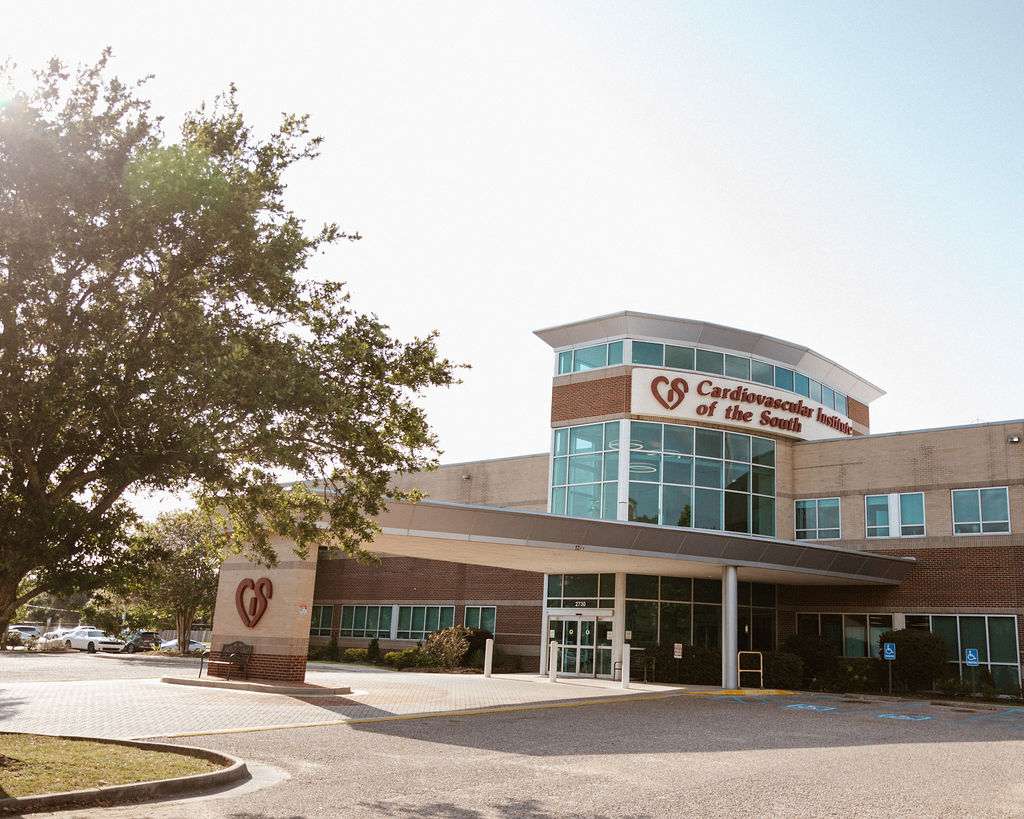
Cardiovascular Institute of the South (CIS), a leading cardiovascular practice serving Louisiana and Mississippi, helped found Cardiovascular Logistics (CVL) to preserve...