
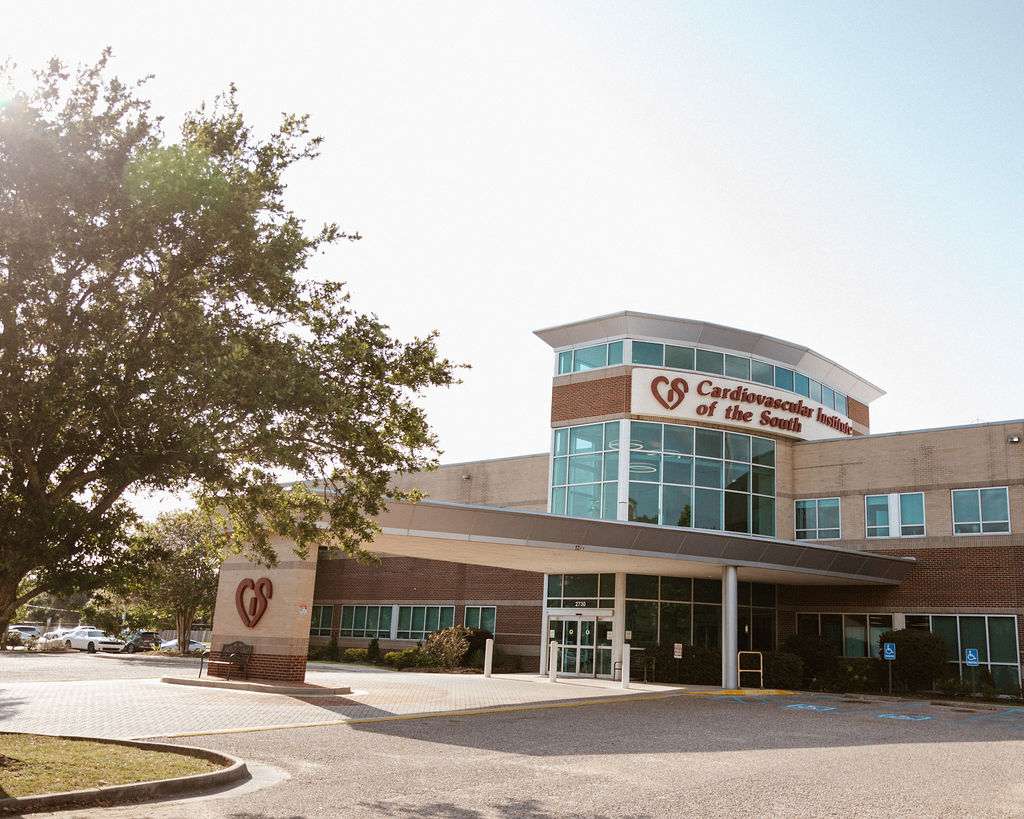
Cardiovascular Institute of the South Expands Its Impact Through a Physician-Led Cardiovascular Platform
Cardiovascular Institute of the South (CIS), a leading cardiovascular practice serving Louisiana and Mississippi, helped found Cardiovascular Logistics (CVL) to preserve physician-led governance while scaling operations nationally. By partnering with CVL, CIS strengthened infrastructure, expanded outpatient access, and improved clinical and operational performance. Since CVL’s formation, CIS has maintained a 4.93/5 patient satisfaction score, achieved 87% hypertension control rates—exceeding national benchmarks —and generated measurable clinical improvements through remote patient monitoring. The CIS experience demonstrates how independent cardiovascular practices can scale sustainably without sacrificing autonomy or quality of care.
The Challenge: Growing Responsibly in a Complex Cardiovascular Landscape
For more than four decades, Cardiovascular Institute of the South (CIS) has served patients across Louisiana and Mississippi, building a reputation for comprehensive cardiovascular care rooted in strong physician leadership and deep community trust. As the practice grew, so did its responsibility—both to an increasingly complex patient population and to a rapidly-changing healthcare environment.
CIS served a region with a high burden of cardiovascular disease, driven by a mix of genetics, lifestyle factors, and long-standing gaps in access to preventive care. Patients relied heavily on the practice for advanced diagnostics, ongoing disease management, and coordinated cardiovascular services. At the same time, the broader cardiology landscape was shifting. Independent practices were increasingly being acquired by hospital systems, reimbursement models were evolving, and the administrative demands of running a large, multi-state practice continued to grow.
Even with its scale and success, CIS leadership recognized that continuing to operate independently may eventually limit how quickly the practice could invest in new services, technology, and access points for patients. Managing complexity across markets requires more infrastructure, broader insight, and greater operational support than a single practice could reasonably build alone.
Rather than reacting to external pressures, CIS began thinking differently about the future.
The Solution: Envisioning a National, Physician-Led Platform
Long before Cardiovascular Logistics (CVL) formally existed, CIS leadership was exploring ways to collaborate with other like-minded cardiovascular practices.
More than a decade ago, CIS leadership began asking a fundamental question: was the practice’s success unique to its geography, or could its model work elsewhere? Exploring that question led to early partnerships beyond Louisiana, allowing CIS to test its approach in new markets and learn what it would take to operate across state lines.
Those experiences reinforced a core belief that physician alignment was crucial. Practices needed to share a commitment to patient-first care, clinical excellence, and local decision-making. Without that alignment, scale alone would not lead to better outcomes.
As David Konur, former CEO of CIS and now Chairman of CVL, explained, the intent was always clear: decisions had to be made through the patient’s lens. “If you don’t believe that we should make every decision by looking through the lens of a patient,” he said, “then you’re not a good fit for our model.”
Over time, that philosophy became central to the shared mission that defines CVL today.
The Choice: Physician-Led Partnership to Preserve Independence While Scaling Impact
The decision to build a cardiovascular platform was driven by several non-negotiables:
- A physician-led governance structure that preserved local clinical autonomy
- A shared mission to provide patients with the highest quality cardiovascular care available
- Long-term alignment with like-minded regional leaders
- The ability to scale operations without sacrificing independence
When CIS ultimately partnered with Lee Equity Partners to form CVL, it did so to accelerate a vision that was already underway: to fundamentally transform how cardiovascular care is delivered in the United States.
As one of CVL’s founding practices, CIS provided operational experience and a disciplined approach to performance. At the same time, it approached the platform as a two-way relationship—one built on collaboration rather than hierarchy.
“How do we cross-pollinate best practices of regional leaders across a national platform?” Konur said. “That’s how you really start to move the needle.”
The Process: Learning From One Another to Improve Care and Operations
As CVL took shape, CIS continued to evolve alongside it. The platform created new ways for practices to learn from one another—sometimes by sharing successes, sometimes by openly discussing what didn’t work.
One example came from a same-day access clinic model developed by Capital Cardiology Associates, another CVL affiliate. CIS adopted and adapted the approach through its CIS Xpress Care clinic, which saw over 800 patient visits in its first year. The model improved access for patients who needed timely cardiovascular evaluation while reducing unnecessary emergency department utilization.
Other shared insights helped CIS refine ambulatory workflows, expand outpatient services, and align more closely on operational best practices across markets. Behind the scenes, collaboration through CVL strengthened technology alignment, reporting visibility, and revenue cycle processes, reducing variation and improving consistency across locations.
According to Ryan Hebert, CEO of CIS, CVL’s collaborative nature has been one of its most valuable aspects. “We’ve learned just as much from our partners as they’ve learned from us,” he said. “That’s what makes it work.”
The Results: Better Access, Stronger Performance, and Shared Momentum
Since CVL was formed, CIS has seen meaningful benefits across patient experience, operations, and long-term planning. Key outcomes include:
- 4.93/5 overall patient satisfaction score across locations
- 87% hypertension control rate, exceeding national benchmarks
- 14 mmHg average reduction in systolic blood pressure among long-term RPM patients
These outcomes reflect not only expanded access, but sustained engagement and measurable impact on patient health.
Operational alignment has also produced tangible benefits. Shared analytics and best practices improved revenue cycle consistency and enhanced visibility into performance across markets, allowing leadership to make faster, more informed decisions. At the same time, expanded outpatient initiatives such as CIS Xpress Care have accelerated access for patients across the region. These operational and access improvements have supported sustained investment in clinical programs, technology, and patient-centered services.
While CIS played a foundational role in shaping CVL, the practice also gained tangible advantages from the platform’s scale, such as greater purchasing alignment, shared analytics, and infrastructure support that allows physicians to focus more on patient care.
Together, these outcomes reinforce CIS’s long-standing belief that physician-led collaboration, guided by a shared mission, can improve access, elevate clinical outcomes, and sustain independence in a rapidly changing healthcare environment.
Looking Ahead: Continuing to Lead Through Innovation and Collaboration
As cardiovascular care continues to shift toward outpatient settings, CIS remains focused on anticipating what comes next. Recent regulatory changes allowing more procedures to be performed in ambulatory settings open new opportunities, not only for patient convenience and affordability, but also for restoring physician independence.
Konur believes the future of cardiovascular care will continue to reward patient-centered practices. “If we stay focused on doing what’s best for patients,” he said, “the rest tends to follow.”
For CIS, the success of CVL has reinforced that physician-led alignment, rooted in shared values, can be a powerful force for improving cardiovascular care at scale.
If your practice is exploring new ways to grow, strengthen operations, and enhance patient care, consider partnering with CVL.
FAQs
Why did Cardiovascular Institute of the South (CIS) join Cardiovascular Logistics (CVL)?
CIS recognized that long-term growth, infrastructure demands, and increasing healthcare complexity required scale and collaboration. CIS partnered with CVL to preserve physician-led governance, maintain clinical autonomy, and scale operations while remaining focused on delivering the highest quality cardiovascular care available.
What measurable improvements has CIS achieved since CVL was formed?
Since CVL’s formation, CIS has maintained a 4.93/5 patient satisfaction score and achieved an 87% hypertension control rate, exceeding national benchmarks. Among long-term remote monitoring patients, the practice also achieved a 14 mmHg average reduction in systolic blood pressure. Outpatient initiatives such as CIS Xpress Care accelerated access for patients across the region and saw more than 800 visits in its first year.
How did its partnership with CVL improve patient access at CIS?
Through collaboration across the CVL platform, CIS launched programs such as CIS Xpress Care, which saw over 800 patient visits in its first year. The program improved same-day access to cardiovascular evaluation and reduced unnecessary emergency department utilization, strengthening continuity of care.
Did CIS give up clinical control by joining CVL?
No. Maintaining physician-led governance and local clinical autonomy was a core requirement of CVL’s formation. CIS and other CVL-affiliated practices retain control over clinical decision-making while benefiting from collaboration across 12 cross-platform advisory councils made up of more than 65 physicians, enabling them to share best practices, exchange ideas, and help shape improvements across the platform.
What does the CIS experience demonstrate about physician-led cardiovascular platforms?
The CIS experience shows how independent cardiology practices can scale sustainably while preserving autonomy when aligned around a shared mission. By combining physician leadership with operational discipline and collaboration, CVL demonstrates a model that improves patient access, clinical outcomes, and long-term viability in a rapidly evolving healthcare environment.

Cardiology Consultants of Philadelphia Preserves Its Independence Through a Physician-Led Cardiovascular Platform
Cardiology Consultants of Philadelphia (CCP), the largest independent cardiology practice in the country with over 90 physicians across five counties,...

Capital Cardiology Associates Builds for the Future by Joining a Physician-Led Cardiovascular Platform
Capital Cardiology Associates (CCA), one of the largest independent cardiology practices in New York State, joined Cardiovascular Logistics (CVL) in...